Bed Rub: Understanding and Preventing Truck Bed Wear Damage
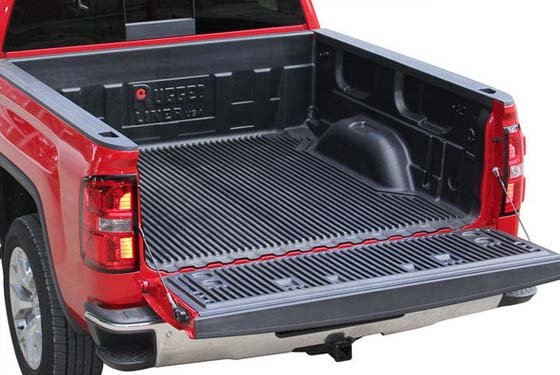
Heavy-Duty Truck Bed Liner with Anti-Rub Protection
Premium protective liner engineered to eliminate bed rub through advanced cushioning technology. Features non-slip surface and superior wear resistance for maximum cargo protection and truck bed preservation.
Key Features:
- Advanced anti-rub cushioning system
- Non-slip textured surface
- Chemical and UV resistant materials
- Custom-fit design for perfect coverage
- Easy installation without drilling
- Lifetime warranty protection
- Waterproof barrier construction
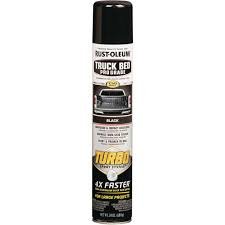
Professional-Grade Spray-On Bed Liner
Durable spray-applied coating that creates a seamless protective barrier against bed rub and cargo damage. Provides permanent adhesion with flexible, impact-resistant finish for commercial-grade protection.
Key Features:
- Seamless spray-on application
- Impact and abrasion resistant
- Flexible coating prevents cracking
- Professional installation available
- Permanent adhesion to truck bed
- Chemical and weather resistant
- Textured non-slip finish
- Customizable thickness options
What Is Bed Rub and Why It Matters
Bed rub refers to the wear and damage that occurs when cargo repeatedly contacts and moves against your truck bed surfaces during transport. This friction creates scratches, dents, and gradual deterioration that can significantly reduce your vehicle’s resale value.
The constant movement of tools, equipment, and materials causes bed rub through vibration, acceleration, and braking forces. Even seemingly harmless items like coolers or toolboxes can create extensive damage over time without proper protection.
Common Causes of Bed Rub
Unsecured cargo represents the primary source of bed rub in most trucks. When items shift during driving, they scrape against metal surfaces and create permanent wear patterns that worsen with each trip.
Heavy equipment and construction materials amplify bed rub damage through their weight and sharp edges. Steel beams, concrete blocks, and machinery components can gouge deep scratches that penetrate paint and expose bare metal to rust.
Frequent loading and unloading activities contribute to bed rub through dragging and sliding motions. Workers often slide materials across the bed surface, creating concentrated wear zones near the tailgate and wheel wells.
Signs and Symptoms of Bed Rub Damage
Early bed rub damage appears as light scratches and scuff marks on the truck bed floor and sidewalls. These superficial marks may seem cosmetic initially but indicate ongoing wear that will accelerate without intervention.
Advanced bed rub creates deep grooves, gouges, and worn-through areas where metal substrate becomes exposed. Once paint protection fails, rust formation begins rapidly and spreads throughout the affected areas.
Visual Inspection Checklist
Examine your truck bed regularly for telltale signs of bed rub damage. Look for scratch patterns that follow cargo movement paths, particularly near anchor points and high-contact zones.
Check for paint chips, bare metal spots, and early rust formation around the bed perimeter. These indicators suggest bed rub has progressed beyond surface-level damage and requires immediate protection measures.
Assess the bed floor for wear patterns that correspond to frequently transported items. Toolboxes, ladders, and equipment typically create distinctive damage signatures that help identify problem areas.
Prevention Strategies for Bed Rub
Installing a quality truck bed liner provides the most effective bed rub prevention available. Professional-grade liners create a protective barrier that absorbs impact and prevents cargo from directly contacting your truck’s painted surfaces.
Securing cargo properly eliminates the movement that causes bed rub damage. Use tie-down straps, cargo nets, and anchor points to minimize shifting during transport and reduce friction against bed surfaces.
Protective Equipment Options
Rubber mats offer basic bed rub protection for light-duty applications. While less durable than permanent liners, removable mats provide affordable protection for occasional hauling needs.
Tailgate pads and rail covers protect high-contact areas where bed rub commonly occurs. These targeted solutions work well in combination with full bed liners for comprehensive protection.
Cargo management systems including dividers and organizers help prevent bed rub by maintaining item separation. Dedicated storage compartments reduce cargo movement and distribute weight more evenly across the bed surface.
Professional Bed Liner Solutions
Drop-in truck bed liners provide excellent bed rub protection through thick, durable construction that withstands heavy use. These custom-molded solutions offer precise fit and comprehensive coverage for maximum protection.
Spray-on bed liners create permanent bed rub barriers that bond directly to your truck bed surface. This seamless protection eliminates gaps where moisture and debris might accumulate and cause additional damage.
Installation Considerations
Professional installation ensures optimal bed rub protection through proper surface preparation and application techniques. Experienced installers address rust issues and apply primers that enhance liner adhesion and longevity.
DIY installation options exist for certain bed liner types, though professional application typically provides superior results. Consider your skill level and available tools when choosing between professional and self-installation approaches.
Warranty coverage varies significantly between bed liner types and installation methods. Professional installations often include comprehensive warranties that cover both materials and workmanship against bed rub damage.
Maintenance and Long-Term Care
Regular cleaning prevents bed rub damage by removing abrasive debris and corrosive materials. Wash your protected bed surface monthly using mild detergents and avoid harsh chemicals that might degrade liner materials.
Inspect your bed liner periodically for signs of wear, damage, or separation that could allow bed rub to resume. Address minor issues promptly to prevent costly repairs and maintain optimal protection levels.
Repair and Restoration
Minor bed rub damage can often be repaired through touch-up applications and surface treatments. Professional restoration services can address more extensive damage while maintaining the protective integrity of your bed liner system.
Replacement timing depends on usage patterns and damage extent. Heavy commercial use may require liner replacement every 5-7 years, while light-duty applications can last decades with proper maintenance.
Upgrading older protection systems provides an opportunity to incorporate improved bed rub prevention technologies. Modern liners offer enhanced durability and performance compared to earlier generation products.
Frequently Asked Questions
Protecting Your Investment from Bed Rub
Bed rub represents one of the most common and preventable forms of truck damage, yet many owners discover its effects only after significant deterioration has occurred. The gradual nature of this wear process makes it easy to overlook until costly repairs become necessary.
Investing in quality bed rub protection pays dividends through preserved vehicle value, reduced maintenance costs, and enhanced cargo security. Whether you choose drop-in liners, spray-on applications, or hybrid solutions, any protection system dramatically outperforms an unprotected truck bed.
The key to effective bed rub prevention lies in selecting appropriate protection for your specific usage patterns and installing it before damage begins. Professional installation and regular maintenance ensure your chosen solution provides years of reliable service and keeps your truck bed looking new.
Don’t let bed rub damage compromise your truck’s value and utility. Take action today to protect your investment and enjoy worry-free hauling for years to come.